

How to Adventure Responsibly
Introduction
In recent years, travel has taken on a new meaning for many explorers around the world. With growing concerns over climate change, environmental degradation, and the impact of tourism on local cultures, sustainable travel has emerged as one of the most popular trends in 2024. Today’s traveler is more conscious of the environment, and as a result, eco-tourism and responsible tourism have gained immense momentum.
In this blog post, we will explore the concept of sustainable travel, why it matters now more than ever, and how travelers can make conscious decisions to ensure that their adventures not only fulfill their wanderlust but also benefit the environment and the communities they visit.

What Is Sustainable Travel?
At its core, sustainable travel means traveling in a way that minimizes negative impacts on the environment, supports local cultures, and fosters long-term economic benefits for the communities you visit. It’s about preserving destinations for future generations while also having an enriching and responsible travel experience.
Sustainable travel can be broken down into three main pillars:
- Environmental Conservation: This focuses on reducing the carbon footprint associated with travel, protecting wildlife, and preserving natural habitats.
- Cultural Respect: It emphasizes respecting the customs, traditions, and way of life of local communities while promoting cultural exchange.
- Economic Sustainability: This aims to support local economies by encouraging travelers to spend money in local businesses rather than large corporations, ensuring that tourism revenue directly benefits the communities.
Why Is Sustainable Travel a Growing Trend?
- Climate Awareness: With more people understanding the serious threats of climate change, travelers are looking for ways to reduce their impact. From opting for carbon offsets to choosing eco-friendly accommodations, today’s tourists want to travel in harmony with nature.
- Changing Traveler Priorities: Post-pandemic, people are more selective about where and how they travel. Many seek meaningful experiences that contribute to personal growth and cultural immersion, leading them to embrace more responsible forms of travel.
- The Rise of Ecotourism: Countries and regions around the world are promoting ecotourism as a sustainable alternative to mass tourism. From rainforests in Costa Rica to the coral reefs of Kenya, eco-friendly destinations are becoming hotspots for environmentally-conscious travelers.
- Government and Corporate Initiatives: Governments and companies in the tourism sector are increasingly recognizing the need for sustainability. For instance, several airlines now offer carbon offset programs, and many hotels have adopted energy-saving and waste-reduction measures.
How to Travel Sustainably in 2024
Sustainable travel may seem daunting, but with a few conscious choices, anyone can embark on a responsible and enriching journey. Here are some tips to help you make your next trip more sustainable:

1. Choose Eco-Friendly Accommodations
Many hotels, lodges, and guesthouses now focus on minimizing their environmental impact. Look for accommodations that have sustainable certifications, such as LEED, Green Key, or EarthCheck. These certifications indicate that the establishment follows eco-friendly practices, such as energy efficiency, waste reduction, and water conservation.
2. Opt for Public Transport or Eco-Friendly Transport
Instead of flying or renting a car, consider taking public transportation, biking, or walking whenever possible. Public transport systems have a much lower carbon footprint, and biking or walking allows you to immerse yourself in the local culture and environment.
For long distances, choose airlines that prioritize fuel-efficient aircraft and offer carbon offset programs.
3. Support Local Economies
One of the best ways to ensure that your travel benefits the community is to shop and dine at locally-owned businesses. This not only supports the local economy but also gives you a more authentic cultural experience. Whether it’s buying handmade crafts from artisans or eating at family-owned restaurants, your spending can make a positive difference.
4. Minimize Waste and Plastic Use
Bring a reusable water bottle, cutlery, and bags to reduce single-use plastics during your trip. In some countries, plastic pollution is a severe problem, especially in popular tourist destinations. By reducing your waste, you’re contributing to the protection of the local environment.
5. Respect Wildlife and Nature
Avoid activities that harm animals or their habitats, such as visiting unethical animal attractions. Instead, opt for wildlife sanctuaries and conservation programs that focus on the well-being and protection of animals in their natural habitat.
6. Cultural Sensitivity
Be mindful of the local customs, dress appropriately, and learn a few phrases in the local language. Responsible tourism is not only about reducing your environmental footprint but also about showing respect for the cultures and traditions of the places you visit.
Top Sustainable Travel Destinations in 2024
If you’re looking for destinations that promote sustainable travel, here are some great places to consider:
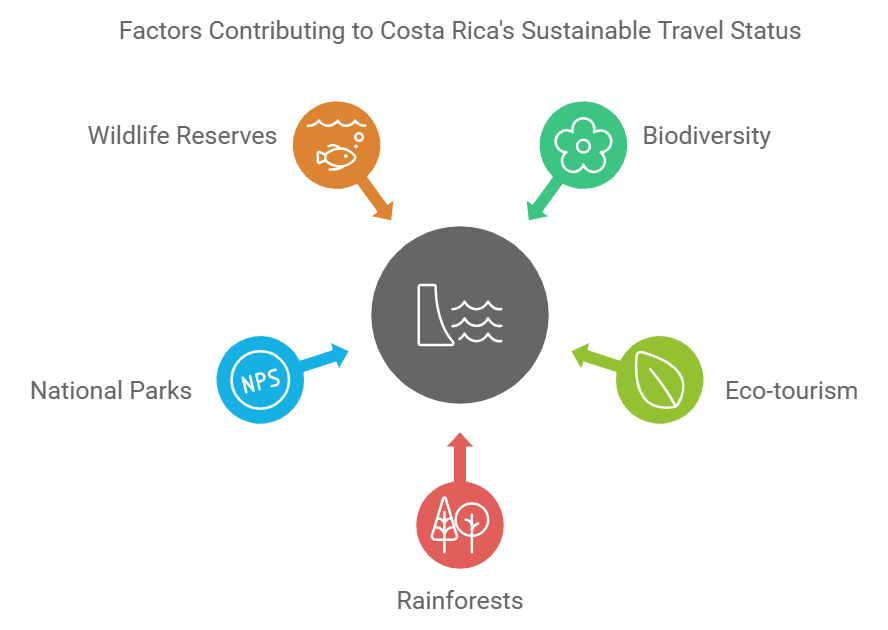
- Costa Rica: Famous for its biodiversity, Costa Rica has long been a leader in eco-tourism, with vast rainforests, national parks, and wildlife reserves.
- New Zealand: Known for its stunning landscapes and commitment to conservation, New Zealand offers eco-friendly adventures like hiking, cycling, and eco-lodges in pristine nature reserves.
- Kenya: As one of Africa’s top eco-tourism destinations, Kenya offers travelers the chance to visit conservation areas and support local communities while experiencing incredible wildlife safaris and coastal beauty.
- Iceland: With its commitment to renewable energy and environmental preservation, Iceland is a great example of how a country can leverage its natural resources for sustainable tourism.
- Bhutan: This Himalayan kingdom has long prioritized Gross National Happiness over GDP and enforces strict sustainable tourism policies, including limiting the number of visitors to protect its environment and culture.
How You Can Get Involved
If you’re passionate about sustainable travel and want to be more involved, consider supporting organizations and initiatives that promote eco-tourism and responsible travel. Many non-profits focus on protecting ecosystems and empowering local communities. You can also volunteer with conservation projects during your travels, giving back to the environment and leaving a positive footprint.

Conclusion
Sustainable travel isn’t just a trend; it’s a movement towards responsible exploration that values the environment, local cultures, and long-term economic benefits for communities. By making small, conscious choices, we can all become more responsible travelers and ensure that the beauty and diversity of the world are preserved for generations to come. As you plan your next adventure, consider how your journey can be part of a broader mission to travel more sustainably.
This blog post covers a trending topic that appeals to environmentally conscious travelers and individuals interested in cultural exchange, which fits well with your travel advisor platform focused on Kenya. Sustainable travel is a niche that continues to grow and is perfect for tapping into a passionate and engaged audience.
 BlogSphere